Open RAN can lower network costs, but the savings case in Europe is narrower than early vendor decks suggested. In 2026, the key question is no longer whether Open RAN is real. The question is where it beats traditional RAN after you count integration, cloud, power, testing, and compliance.
That distinction matters because Open RAN TCO isn’t decided by radio prices alone. For many operators, the business case turns on deployment context, internal skills, and how much performance risk they can absorb.
The hardware discount is only part of the story
Early Open RAN models leaned hard on lower-cost servers and more supplier choice. Some of that logic still holds. Commodity hardware, open interfaces, and more flexible sourcing can lower equipment costs over time. Yet European deployments in 2026 show a more modest picture, with early TCO gains often closer to 10 to 25 percent in the right conditions, not the dramatic cuts once promised.
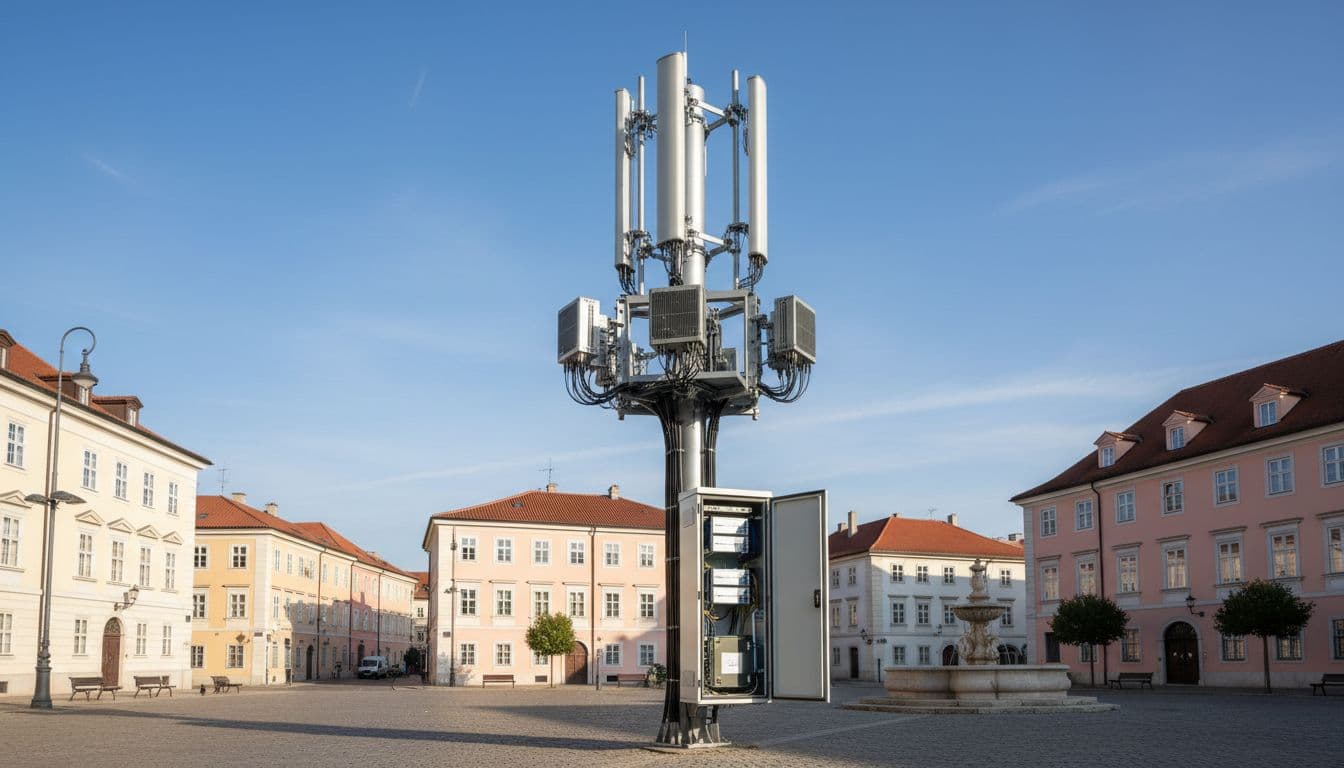
Direct costs still add up fast. Operators have to buy radios, DU and CU compute, accelerators, fronthaul gear, timing, transport upgrades, and the cloud platform that runs the stack. Site power, cooling, and field work also stay on the bill. If coverage or capacity targets slip, the apparent hardware win disappears.
Brownfield groups face another limit. Much of Europe’s installed base still sits inside mature 4G and 5G estates, with tight feature, spectrum, and operations dependencies. That is why large operators still scale carefully. TelecomTV’s DT RFQ report shows ambition, but it also shows staged procurement, not a blind nationwide swap.
The vendor mix is wider than it was a few years ago. Nokia and Ericsson still shape most European RAN spending, while Samsung, Fujitsu, NEC, Dell, and cloud partners show up in selected Open RAN programs. Still, most live rollouts use a narrow partner set, not full mix-and-match sourcing. A joint operator Open RAN report from Deutsche Telekom, Orange, TIM, Telefonica, and Vodafone made the maturity and energy point early, and it still holds. Open interfaces widen options, but they don’t remove the need for carrier-grade performance.
The indirect expenses operators often miss
Systems integration is the line item that most often bends the model. A multi-vendor RAN needs interoperability testing, fault correlation, lifecycle management, and clear ownership when performance drops. Those costs can sit with a prime integrator, a software partner, or the operator’s own team. Either way, they are real.
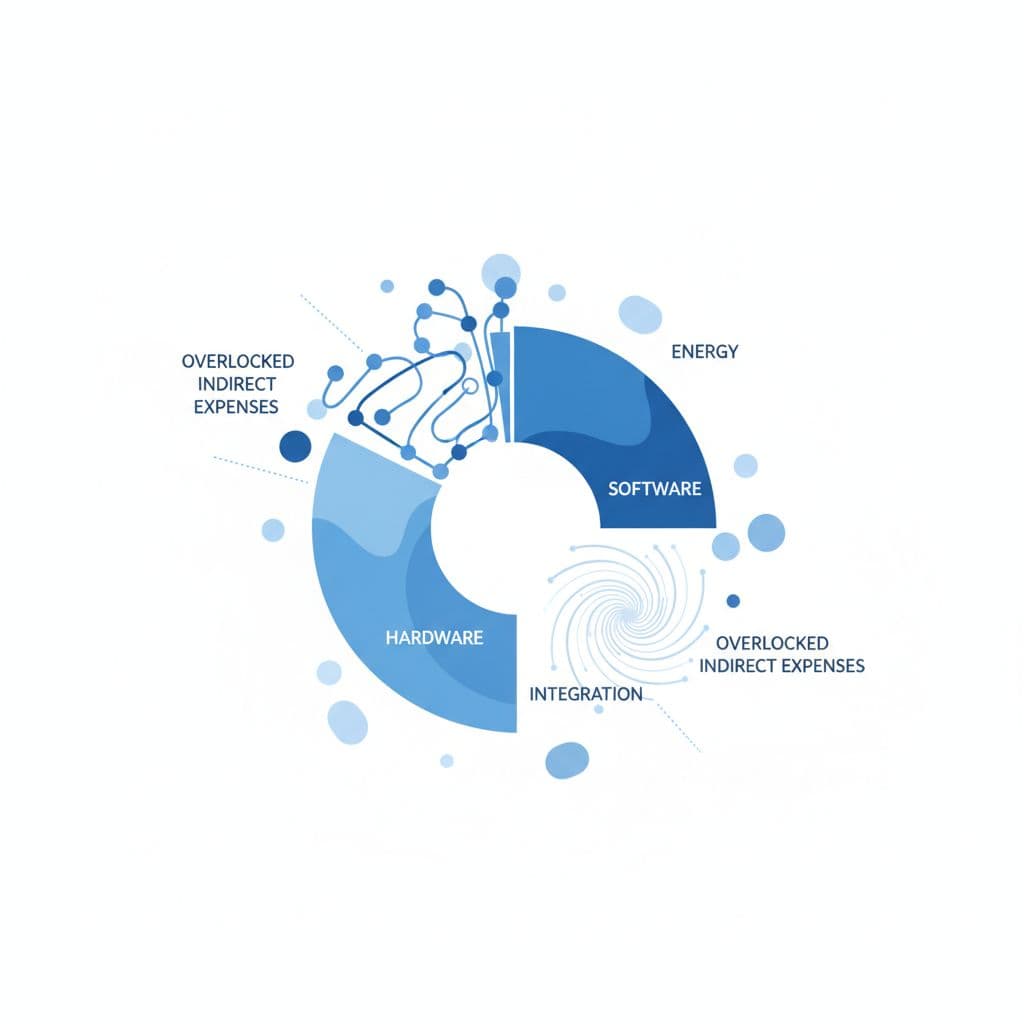
Performance tuning matters just as much. If scheduler behavior, beamforming, handovers, or low-layer acceleration lag behind incumbent RAN, the operator may need more spectrum, more sites, or looser quality targets. That pushes up cost per carried bit. The same logic applies to energy. Some Open RAN and vRAN setups reduce footprint and simplify upgrades, but COTS servers and accelerators can add power draw, cooling, and spare capacity overhead.
If performance per watt or per hertz falls, lower unit prices won’t rescue the TCO case.
Software also changes the operating model. Upgrade cycles become more frequent, regression testing grows, and CI/CD discipline becomes a network cost, not only an IT practice. Meanwhile, Europe’s rules raise the floor. The EU report on Open RAN security and the wider EU cybersecurity update for 2026 point to more work on supply chain checks, patch governance, logging, audit evidence, and vendor assurance.
Internal skills are another hidden cost. Open RAN needs radio engineers, but it also needs cloud operations, automation, security, and software release management. Operators that lack those skills often pay twice, once for partners, then again to build the team they still need.
Where Open RAN TCO works best in Europe
Use case matters more than ideology. Greenfield, brownfield, and rural coverage projects each produce different economics.
| Deployment type | Near-term TCO outlook | Main reason |
|---|---|---|
| Greenfield | Best long-term upside | No legacy swap costs, cleaner cloud-native design |
| Brownfield urban macro | Toughest case | Legacy integration, high performance demands, feature parity pressure |
| Rural or shared coverage | Most practical early win | Lower traffic load, simpler feature set, site-sharing benefits |
Greenfield is the cleanest model, but it isn’t cheap. Germany’s 1&1 is still Europe’s clearest large-scale example, and Mobile Europe on 1&1’s build shows how heavy the upfront program load can be. The upside comes later, if automation, vendor choice, and software-led operations mature as planned.
Brownfield urban macro is harder. Dense traffic, multiple bands, legacy OSS links, and service assurance obligations make every gap expensive. In that setting, many operators get more value from open-capable single-vendor deployments than from full vendor mixing. That still improves bargaining power and future flexibility, but it rarely produces an immediate cost break.
Rural coverage is where the case often looks strongest. Lower traffic and fewer advanced features reduce integration pain. Shared or neutral-host models can improve utilization as well. The Orange and Vodafone Romania pilot is a good example of where Open RAN can align with coverage obligations and cost control.
A practical screen for investment committees
A sound business case should test five points before approval:
- Compare cost per carried bit, not only capex per site.
- Price three years of integration, regression testing, and performance tuning.
- Measure energy and spectrum efficiency at busy-hour load, not lab averages.
- Add compliance effort for security, patching, audit trails, and vendor reviews.
- Benchmark against the best incumbent or open-capable offer available today, not an old proprietary baseline.
That screen won’t make the choice easy, but it will make it honest. In Europe, Open RAN TCO works best when the operator contains scope, automates hard, and avoids paying for performance gaps with extra spectrum or extra sites.
The biggest mistake is to model Open RAN as a cheaper box. In 2026, it is a different operating model, and the cost outcome depends on whether the organization is ready for it.

